Arranging is not just a creative processing of music, but a complex task that combines creativity, technical skill, and legal nuances. Many performers believe that it is enough to change the instruments or style, but in a professional environment, it is a much more complex process. The creation of an arrangement directly affects the audience's perception of a musical work and its commercial potential. That is why it is important to understand not only the musical but also the legal aspects. In this article, we will take a detailed look at how to arrange correctly and avoid common mistakes.

Basic characteristics and principles of arranging
Arranging is the creative process of adapting or rethinking a musical composition for a different set of instruments, style, or performance format. It allows you to make a piece relevant to a new audience, emphasize its character, or give it a modern sound.
The main characteristics of arrangement include harmony, rhythm, instrumentation, dynamics, and the overall balance of elements. It is the right combination of these components that determines how coherent and professional a musical piece will sound after processing. The sound engineer helps to achieve clarity and integrity of sound. As a result, the musical composition acquires a finished character.
The basic principles of arranging are based on preserving the recognizability of the original while developing new ideas. The main melody should remain the focus, even if the style or form changes. Contrast, dynamics, and pauses are used for emotional expressiveness. The basics of arranging also involve adaptation to the genre and format of performance. For studio work, these principles may differ from those for concerts.
Types of arrangement
The arrangement of a musical work can be performed using various approaches, depending on the composition of the performers, the genre, and the project's objectives. Each format reveals the musical material in a different way and changes its character, dynamics, and emotional perception. It is the choice of the appropriate type of arrangement that determines how the composition will sound and be perceived by the listener.
Orchestral arrangement
Orchestral adaptation involves working with a symphony or chamber ensemble. It is often used for classical works and arrangements of academic music. Particular attention is paid to the distribution of parts between groups of instruments. It also includes the processing of folk instrumental music, taking into account the traditional sound. The result is a large-scale and deep sound palette.
Arrangements for an ensemble or band
The format of reworking a song for an ensemble is usually used for rock, pop, or jazz bands. The composer determines the set of instruments and distributes functions between the rhythm section, melodic parts, and vocals. This approach makes the piece convenient for live performance and studio recording.
Choral arrangement
Choral arrangement is the adaptation of a solo musical work for performance by a choir. It involves dividing the melodic material into several vocal parts, working with different registers and sound density. The result is a rich, emotionally charged soundscape that can emphasize the artistic intent of the composition and enhance its expressiveness.
Electronic and contemporary arrangement
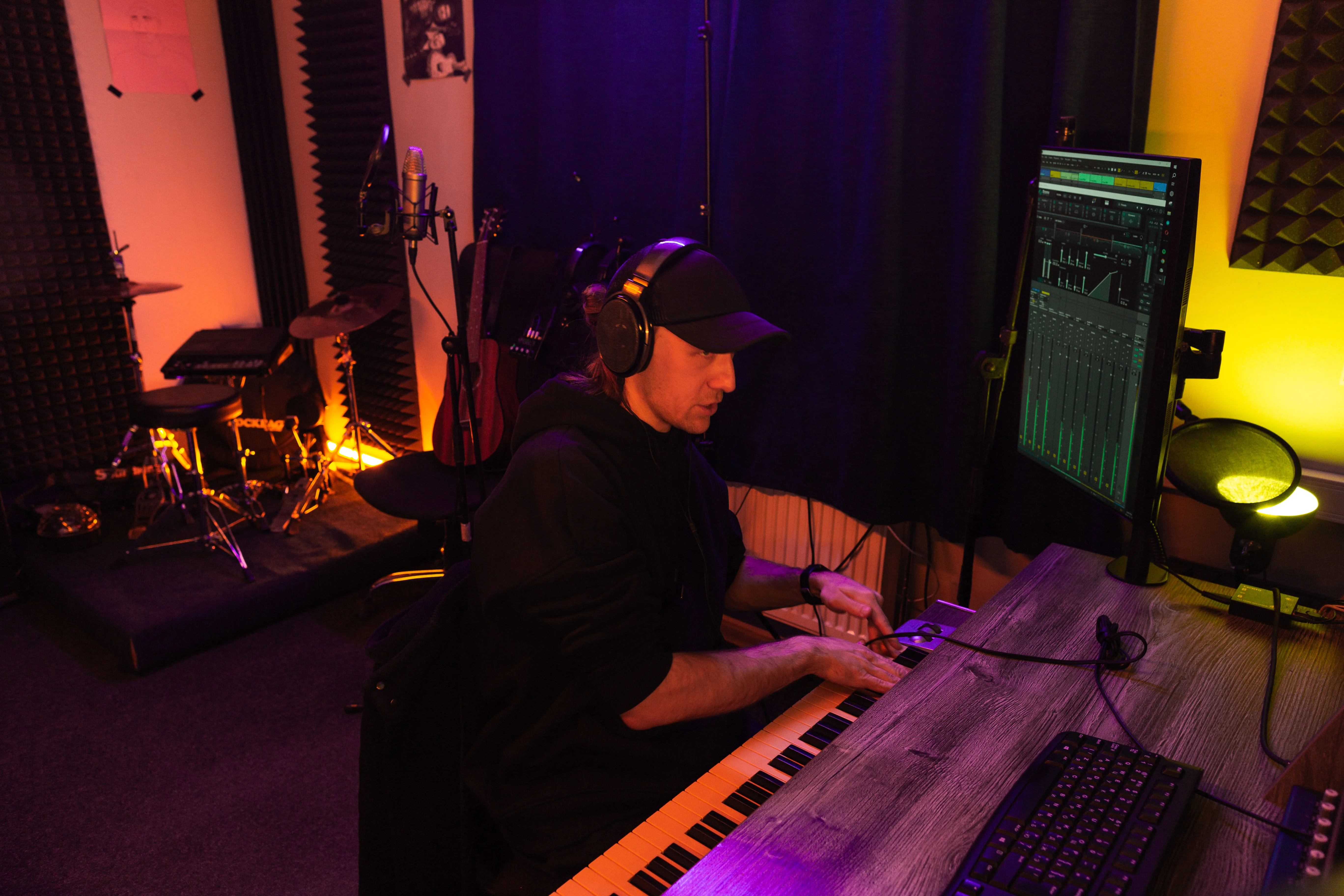
Contemporary arrangement is the process of adapting a musical work for performance using electronic instruments (synthesizers, samplers, computer programs). Electronic arrangement is actively used to adapt tracks for clubs, radio, or soundtrack production.
Solo or instrumental arrangement
The solo adaptation format involves reworking a musical composition for performance by one singer or one instrument. The composer's task is to preserve the main melody while making the piece rich and interesting even without a large instrumental ensemble.
The main stages of arrangement
Understanding the logic of the process helps to avoid chaotic decisions and allows building a coherent sound before moving on to specific technical steps. The structure of the arrangement consists of the following stages:
- Selection and analysis of original material. At this stage, the basis of the composition is determined. It is important to understand which elements form the character of the work and should be preserved, and which can be changed or reinterpreted for a new sound.
- Development of the arrangement concept. An overall vision of the composition is formed: the genre, style, tempo, and instrumental composition are selected.
- Writing parts and orchestration. Parts are created for each instrument, taking into account the balance between them. At this stage, harmony, rhythm, dynamics, and sound density are worked out.
- Recording and final touches. The final stage includes rehearsals, studio recording of vocals and instruments, mixing and mastering.
Working with an arranger
To ensure transparent and reliable cooperation with the arranger, before starting work, it is necessary to discuss all the terms and sign a contract that clearly defines:
- the terms of the order;
- the style of processing;
- the distribution of intellectual property rights;
- the amount of payment for services and remuneration for the transfer of the author’s property copyrights.

After completion of the work, when the new composition is ready and fully complies with the terms of the order, the parties draw up an act of acceptance and transfer of the completed work and property copyrights to it. This document confirms the fact of proper performance of the work, the transfer to the customer of property copyrights to the result of the arrangement, as well as the payment for the work performed and the transfer of the relevant rights.
The advantage of working with LANET PRODUCTION is complete transparency and formality of cooperation at every stage of the project – from concept creation to final post-production. We combine a professional creative approach, technical expertise, and clear legal formalities, which guarantee the quality of the result and adherence to agreed deadlines. Our recording studio team includes experienced composers, arrangers, and sound engineers who create sounds tailored to specific tasks and formats.